
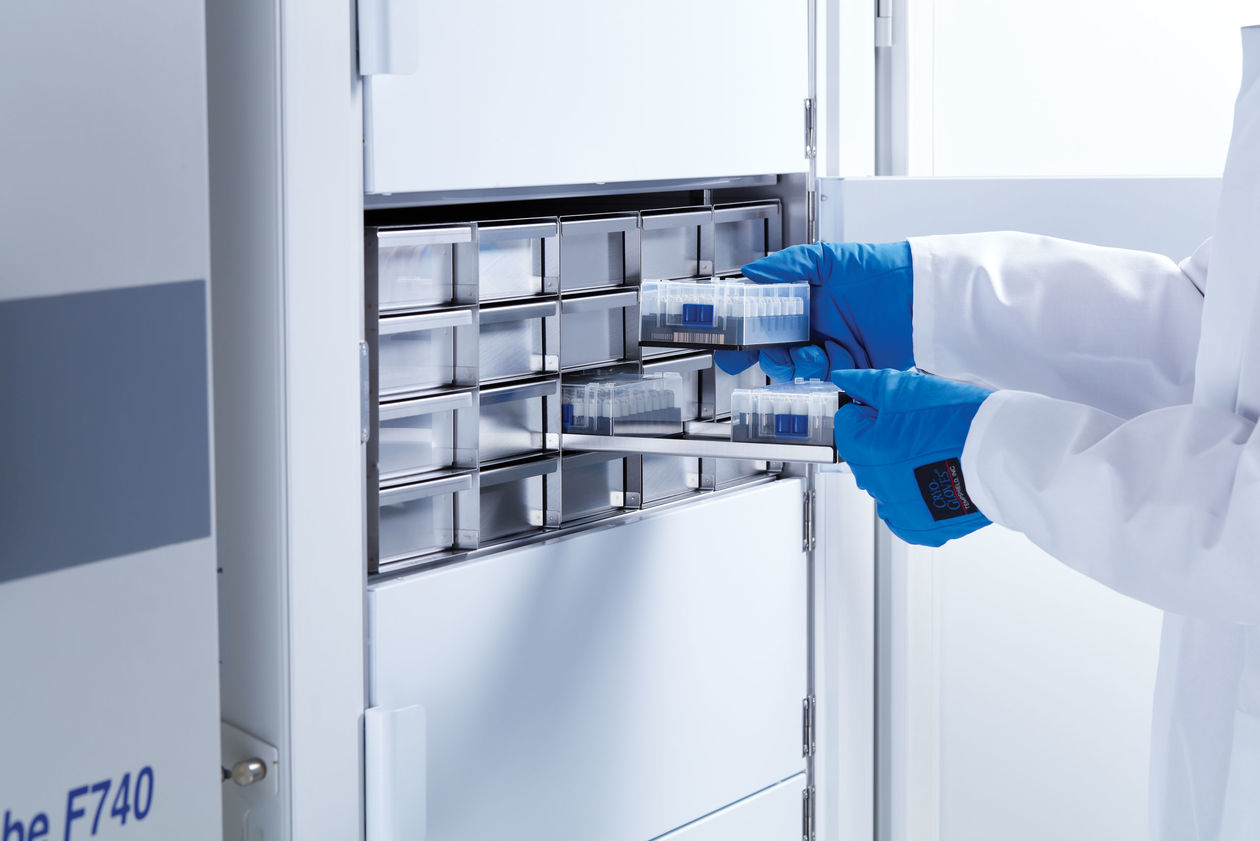
Introduction: The Invisible Variable
In scientific research, we spend a lot of time obsessing over dosages, timing, and sequences. But there is one variable that is often ignored: environmental stability. A perfectly synthesized peptide is only as effective as the storage conditions it experiences from the moment it is reconstituted.
1. The Enemy of Integrity: Heat, Light, and Moisture
Peptides are fragile molecular strings. When exposed to heat, UV light, or hydration (if left in powder form with moisture), they begin to denature. Denaturation means the peptide loses its shape—and if it loses its shape, it loses its ability to lock into the body’s receptors.
- The Rule: Keep it cool, keep it dark, and keep it dry.
2. The Lyophilized (Powder) State
- Before Reconstitution: Lyophilized peptides are stable, but they are not immortal. Keeping them in a freezer (at or below -20°C) is the gold standard for long-term storage. If you plan to use your research materials within 30 days, standard refrigeration (between 2°C and 8°C) is perfectly acceptable.
3. The Reconstituted State (The “Clock” Starts)
Once you add your BAC water, the “shelf life” changes.
- Why it degrades: Once in a liquid state, the peptide is susceptible to oxidation and bacterial growth.
- The Protocol: Always use a sterile, alcohol-swabbed technique when drawing from a vial. Keep the reconstituted vial in the refrigerator at all times. Avoid “repeated freeze-thaw” cycles—once you freeze and thaw a peptide solution, you’ve essentially destroyed a significant portion of its efficacy.
4. Precision is Power
Consistency requires precision. If you are inconsistent with your storage, you introduce “noise” into your research data. Was the result different because of the protocol, or because the peptide degraded in the fridge door?
- The Pro-Tip: Use a dedicated, small container inside your fridge to keep your vials organized, upright, and protected from the light of the fridge bulb every time you open it.
Conclusion: Respect the Material
Treating your research materials with the same rigor you apply to your data logging is what elevates your research quality. Proper storage isn’t just “extra work”—it’s the insurance policy for your experiment.
Ready to begin your protocol? Now that you understand the importance of material integrity and precise storage, you can view our current inventory of clinical-grade BPC-157/TB-500 Blend here. We prioritize purity and stability so you can focus entirely on the data.
